Hurricane Prep in Fort Lauderdale: The Damage Isn't Just the Roof
Wind gets the headlines, but the water has to go somewhere — a storm-season checklist that covers the whole property
Every June we tell Fort Lauderdale homeowners the same thing: get the roof inspected before the first named storm, not after. But after twenty-plus hurricane seasons in Broward County, we'll let you in on something roofers see every single year and almost nobody talks about: the damage isn't just the roof.
A Hurricane Attacks the Whole Property at Once
Wind gets the headlines because it's what you can see — lifted shingles, peeled flashing, a blue tarp on the news. But a major storm is really three events happening at the same time:
- Wind working every fastener, seam and penetration on the roof for hours;
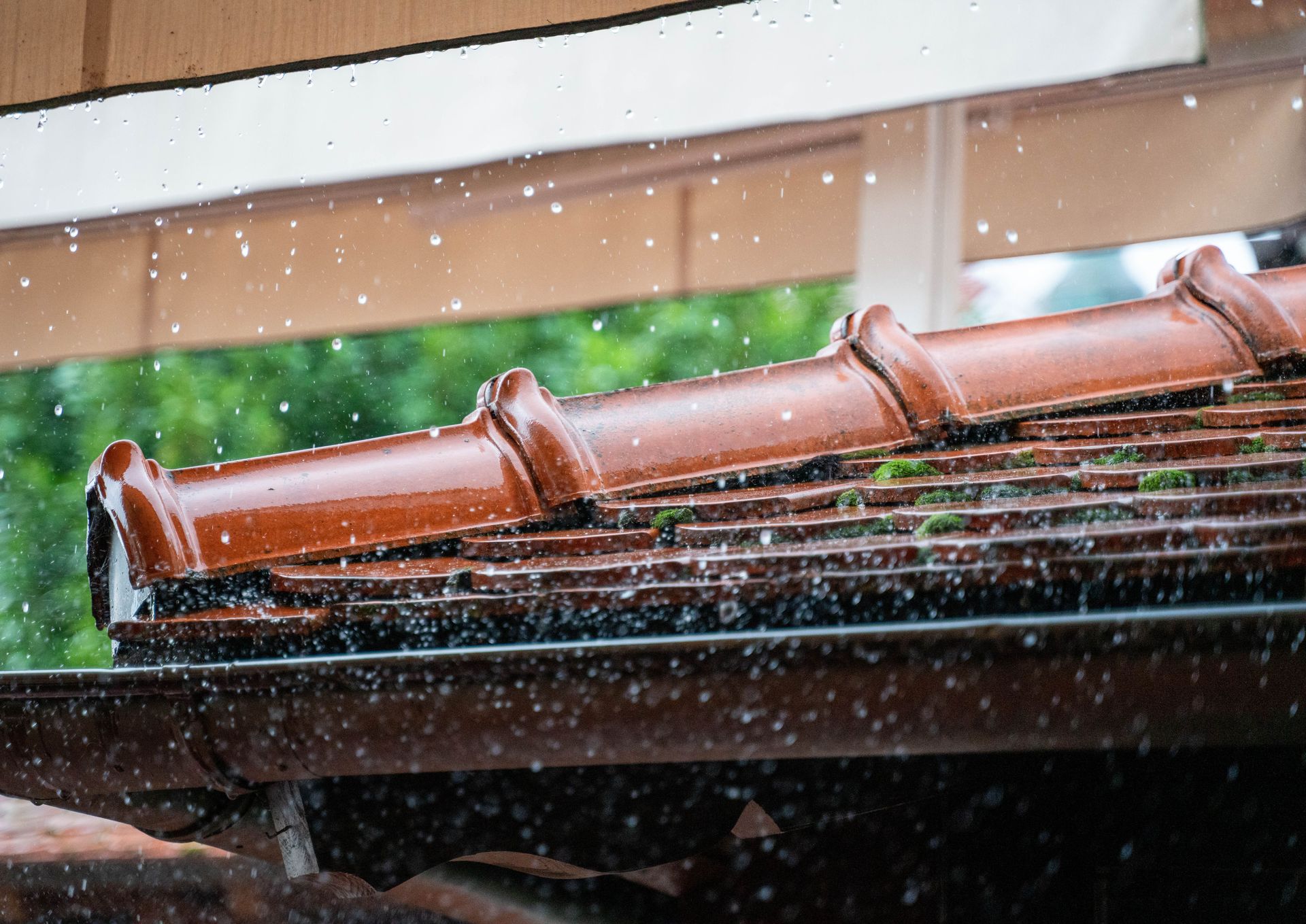
- Water — sometimes 10–20 inches of rain in 48 hours — that all has to go somewhere; and
- Saturated, shifting ground quietly stressing everything buried in it.
That third one is the sleeper. The ground your sewer lateral runs through swells, shifts and settles when it takes on that much water. Old clay and cast-iron lines crack, joints separate, and tree roots — supercharged by all the fresh water — find every new opening. It's why so many South Florida homeowners discover slow drains, sewage smells or soggy patches in the yard weeks after a storm, long after the roofer has packed up and the adjuster has closed the file.
The Fix Nobody Digs Up Their Yard For Anymore
The good news: a damaged sewer line no longer means a trench through your landscaping. Modern crews rehabilitate the line from the inside — a trenchless sewer repair specialist can camera-inspect the pipe, then reline it in place with no excavation. That matters a lot when your yard just survived a hurricane and you'd like it to stay that way. If your home is 30+ years old and you've never had the lateral scoped, doing it once before the season peaks tells you exactly what shape it's in before the ground gets stress-tested.
The Hurricane-Prep Checklist We Actually Recommend
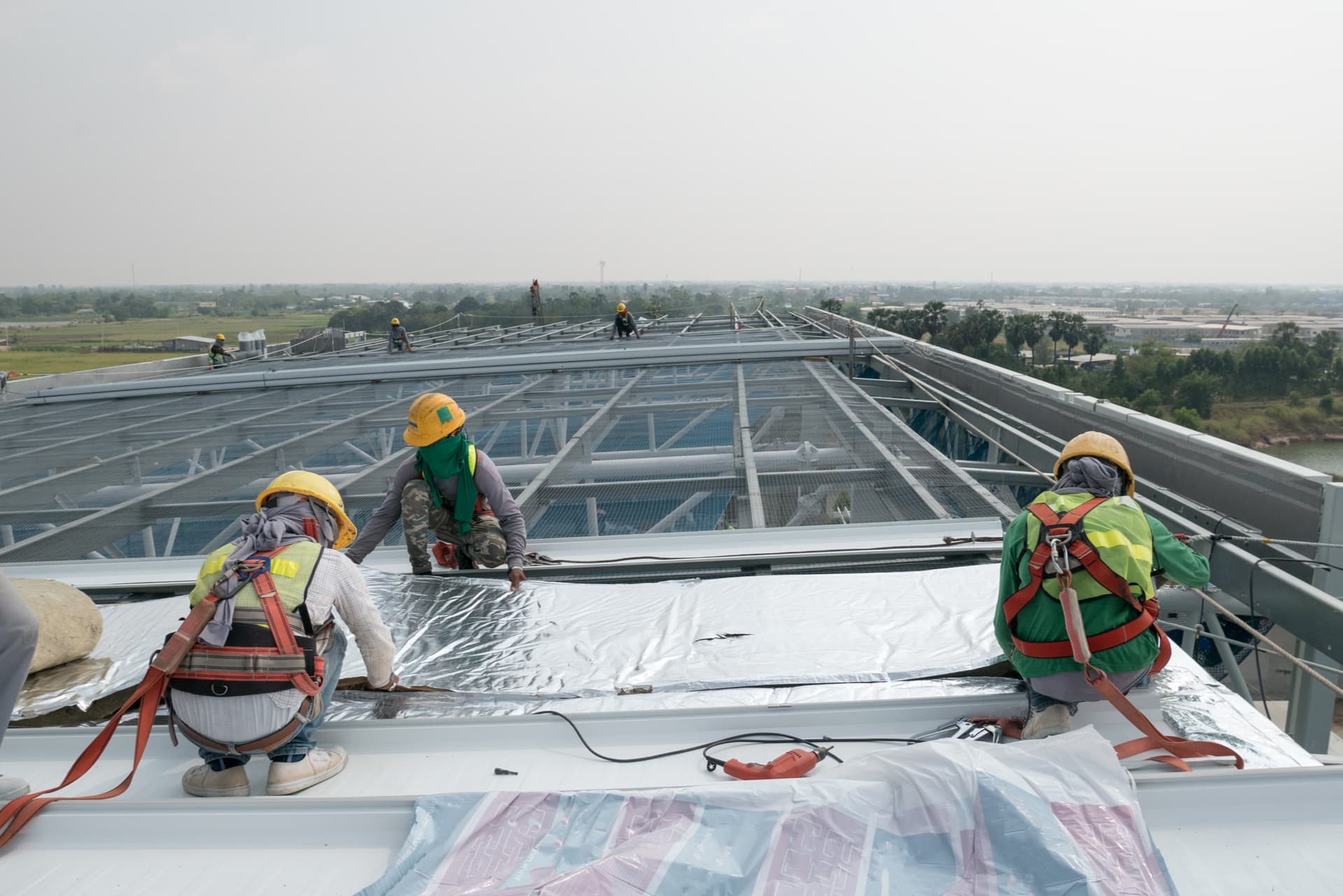
- Roof inspection. Fasteners, flashing, soffits, ridge caps, and any lifted shingles or cracked tiles. Small gaps become big holes at 110 mph.
- Gutters and downspouts cleared. The goal is moving water away from the slab fast — clogged gutters dump it straight at the foundation.
- Trim branches over the roofline. The #1 source of punctures we see after storms isn't wind — it's trees.
- Document everything. Walk the property with your phone and film the roof, ceilings and yard. Five minutes of video makes insurance claims dramatically easier.
- Scope the sewer line once if the house is older — cheap compared to discovering the problem in October.
- Check your policy now. Hurricane deductibles, roof-age clauses and water-damage exclusions are better discovered in June than after landfall.
Get the Roof Half Handled
The roof is still the first domino — if it stays sealed, most other problems stay small. Call Fort Lauderdale Roofing Experts at 954-350-0252 for a free inspection before the season peaks, and we'll tell you honestly whether you need repairs, a tune-up, or nothing at all.