How Long Should a Roof Really Last in Fort Lauderdale? An Honest Timeline
Salt air, brutal UV, and a six-month storm season all punch the clock against your roof. Here's what actually determines how long it lasts — and what buys you extra years.
Ask three roofers how long your roof will last and you'll get three answers, each conveniently tied to what they're selling. The honest answer is that Fort Lauderdale roofs age on a different calendar than roofs almost anywhere else in the country — and knowing your real timeline changes every decision you make, from repairs to refinancing.
The Honest Numbers, Material by Material
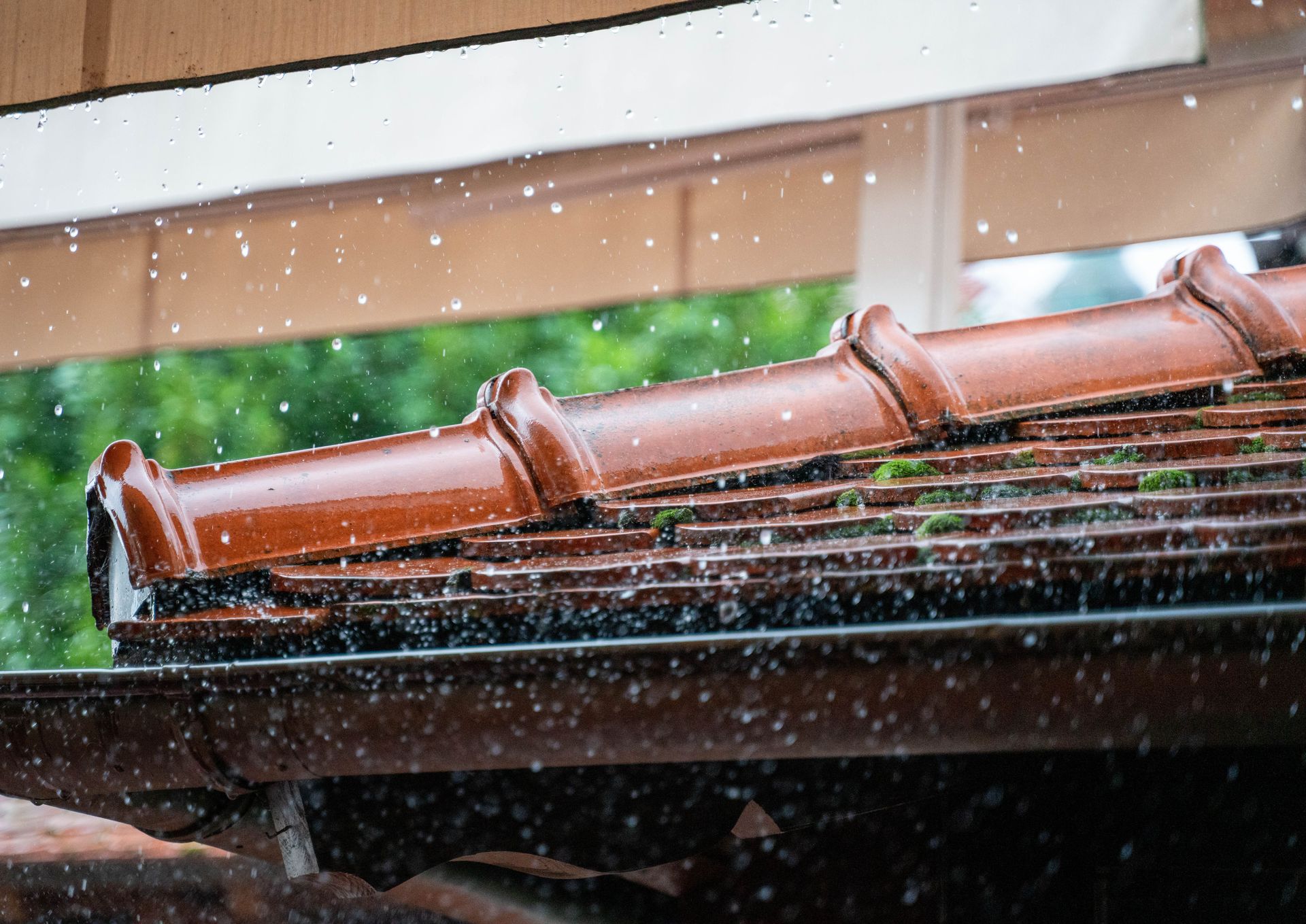
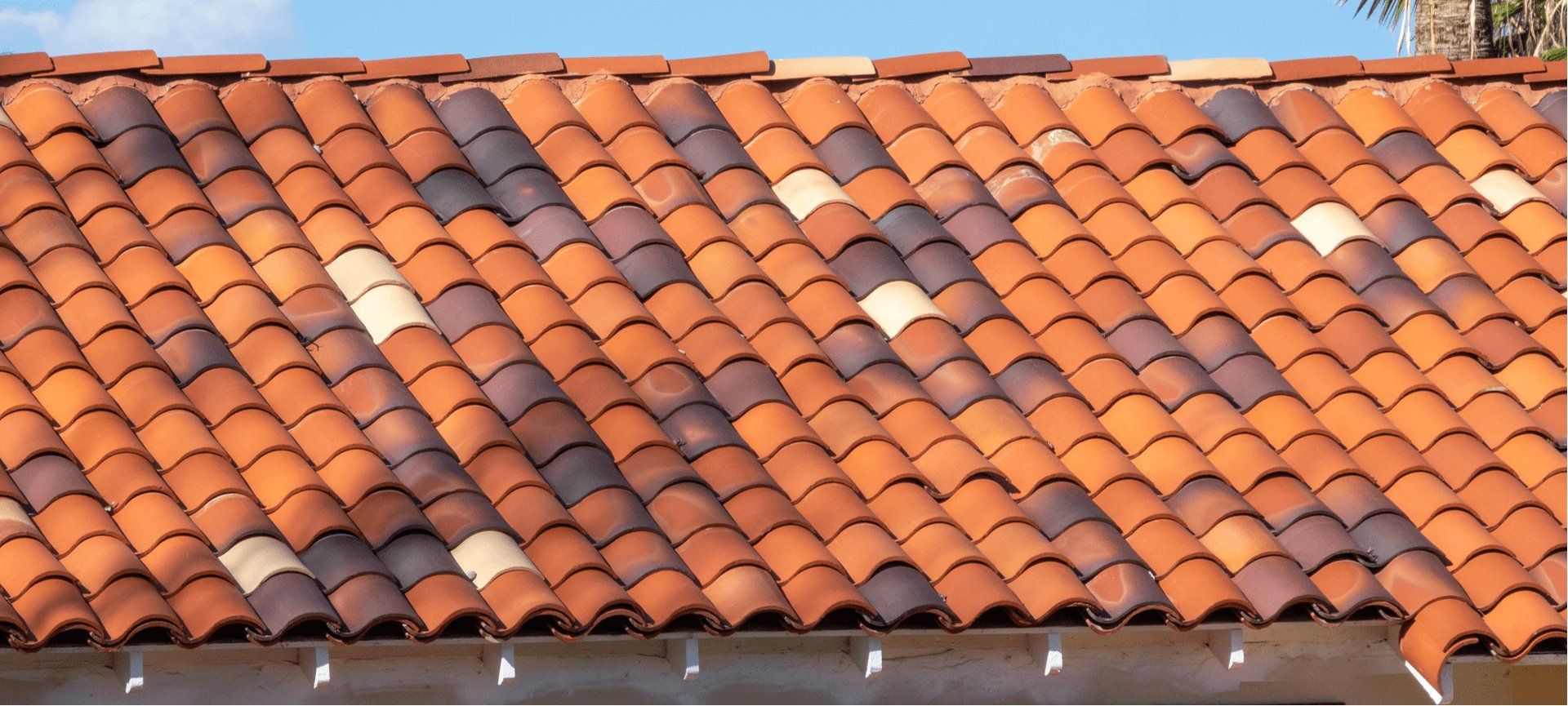
Architectural asphalt shingles are marketed as 30-year products, but between our UV load, salt-heavy air, and wind-driven summer rain, 15 to 20 years is the realistic range here. Concrete and clay tile can shelter a home for 40 years or more — but the underlayment beneath the tile usually taps out around year 20, which is why "the tile looks fine" and "the roof is fine" are two very different statements. Metal earns its price tag with 40-plus years and the best wind performance of the bunch. Flat and low-slope sections — common over Fort Lauderdale additions and patios — run shortest of all: 15 to 20 for modified bitumen and TPO, less if drainage was an afterthought. Whatever the material, the deadline that actually matters is usually the layer you can't see.
Same Shingle, Different Clock
Geography sets the pace of aging more than any brand name does. The exact architectural shingle that gives up at year 17 on a Fort Lauderdale roof routinely reaches 25 and beyond in the Northeast. An experienced roofing contractor Allentown, PA homeowners rely on watches roofs age through freeze-thaw cycles and ice dams — slow, mechanical wear that shows up as cracked shingles and lifted flashing. Down here the clock runs faster and quieter: UV embrittles the mat, salt corrodes fasteners, and heat cycling fatigues every sealed joint months before anything looks wrong from the driveway. Same product, same installer skill — completely different lifespan. That's why national "how long roofs last" charts mislead South Florida homeowners, usually in the optimistic direction.
Buying Back Years: What Actually Moves the Needle
You can't change the climate, but you can slow the clock. An annual inspection — ideally before June — catches the small failures that become leaks by August. Keeping penetrations sealed, gutters clear, and attic ventilation working takes real strain off the system; a cooked attic ages a roof from below. Fix small problems the season they appear, because a $400 repair deferred two years has a way of becoming a $4,000 one. And when you do replace, spend the extra money under the surface: sealed deck seams and upgraded underlayment add more usable years here than any premium shingle line.
Not sure where your roof sits on its timeline? We'll inspect it, photograph what we find, and give you an honest read — even if the answer is "you've got five good years left, don't replace it yet." That's the assessment Fort Lauderdale homeowners actually need. Call 954-350-0252 or request a free estimate online.