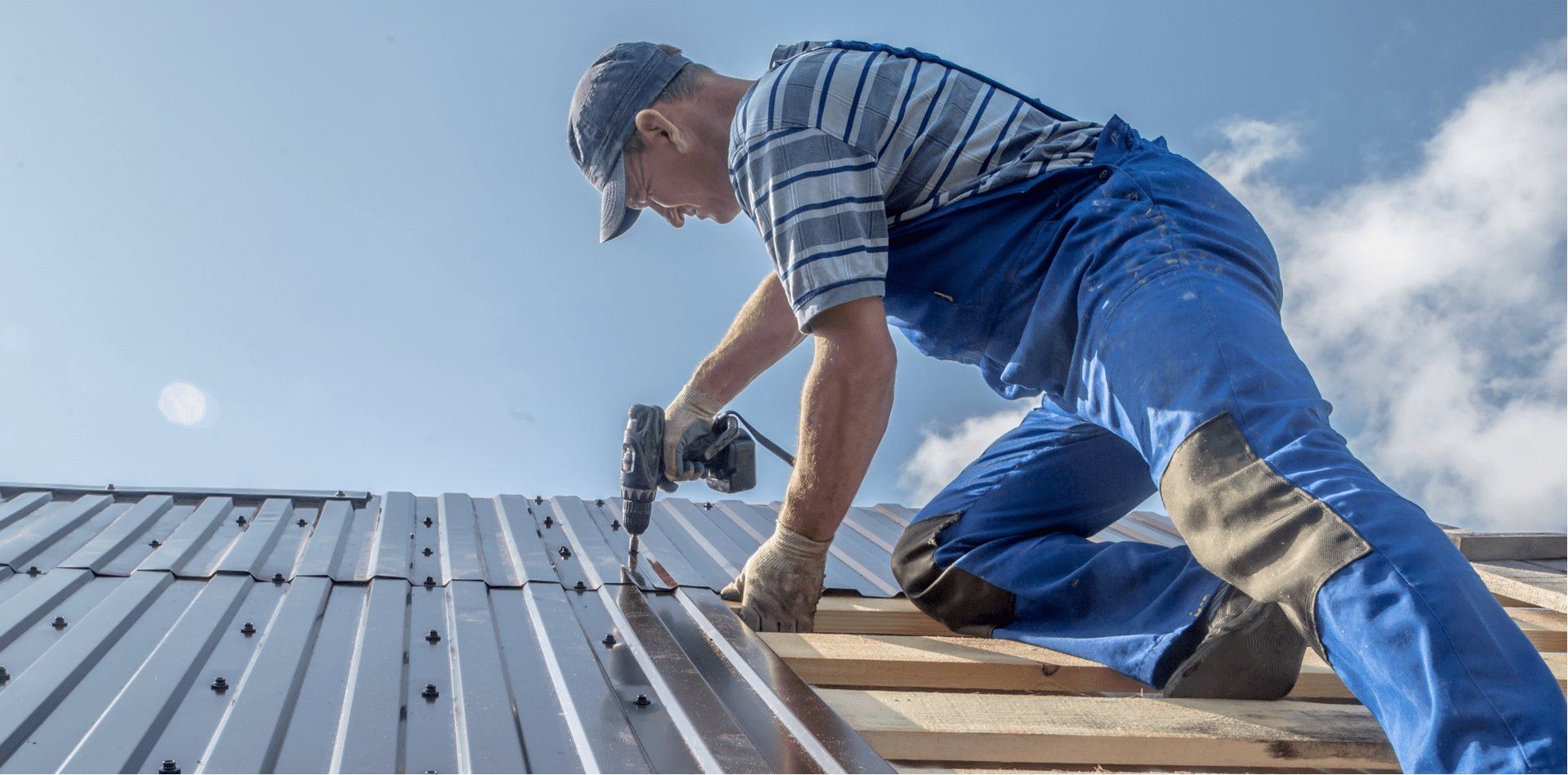
Cool Roofs, Lower Bills: How Your Roof Affects AC Costs in Fort Lauderdale
Your roof and your air conditioner are working on the same job every summer afternoon.
Most Fort Lauderdale homeowners think about their air conditioner and their roof as two separate problems. One is a service call, the other is a big project every couple of decades. But on a July afternoon, they're working on the same job: keeping the sun's heat out of your living room.
Your roof takes the full force of South Florida sun for ten or more hours a day. How much of that heat it absorbs, and how much makes it into the attic, has a direct line to how long your AC runs and how big your power bill gets.
How Much Heat Your Roof Actually Absorbs
A dark asphalt shingle roof in full sun can reach surface temperatures well over 150 degrees. That heat doesn't stay on the surface. It radiates down through the decking into the attic, which can easily climb past 130 degrees on a summer day.
Your ductwork and air handler often live in that attic. When the air around them is that hot, the cool air moving through the ducts picks up heat before it ever reaches a vent. The system runs longer to hit the same thermostat setting, and every extra minute shows up on the bill.
Roof Color and Material Make a Real Difference
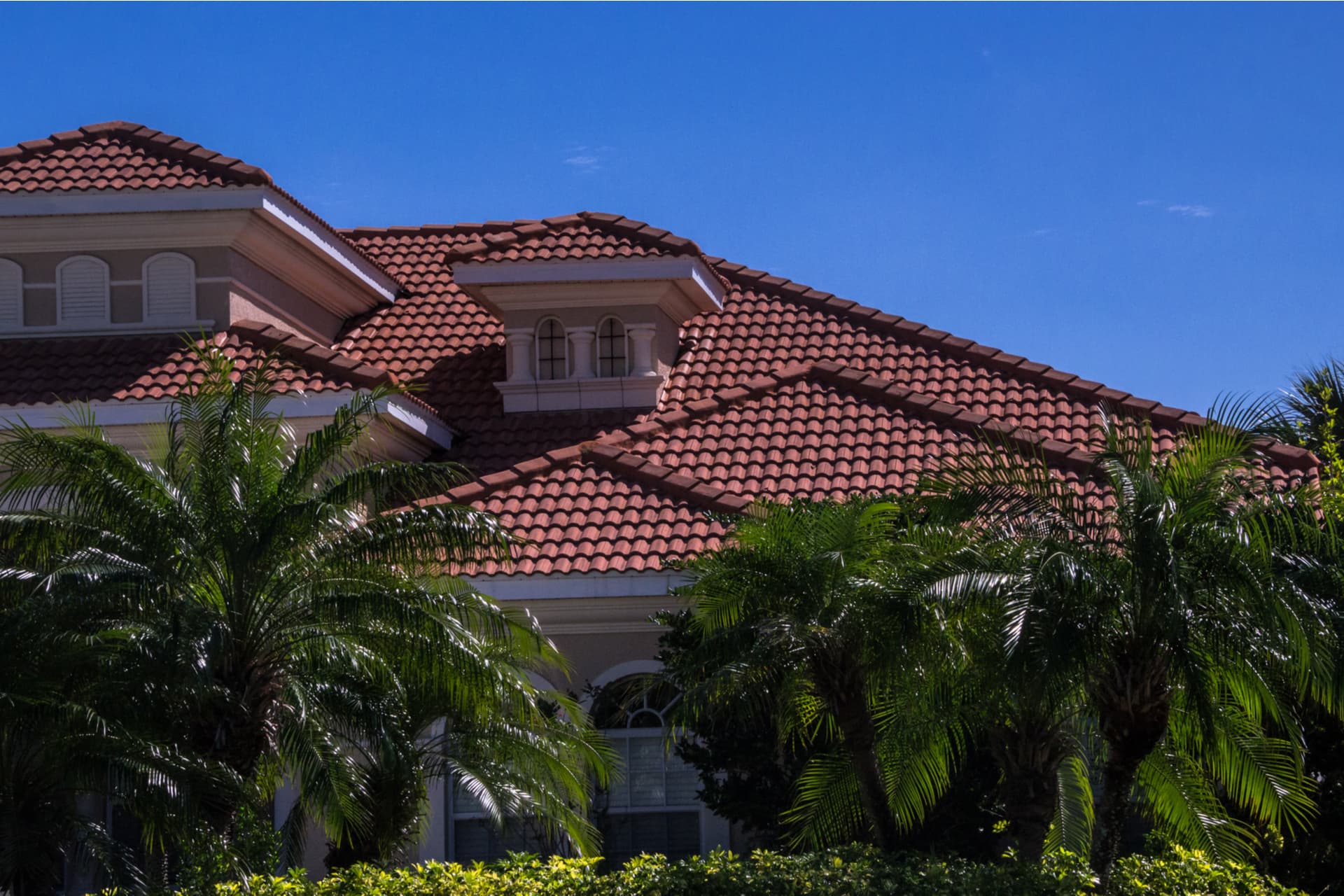
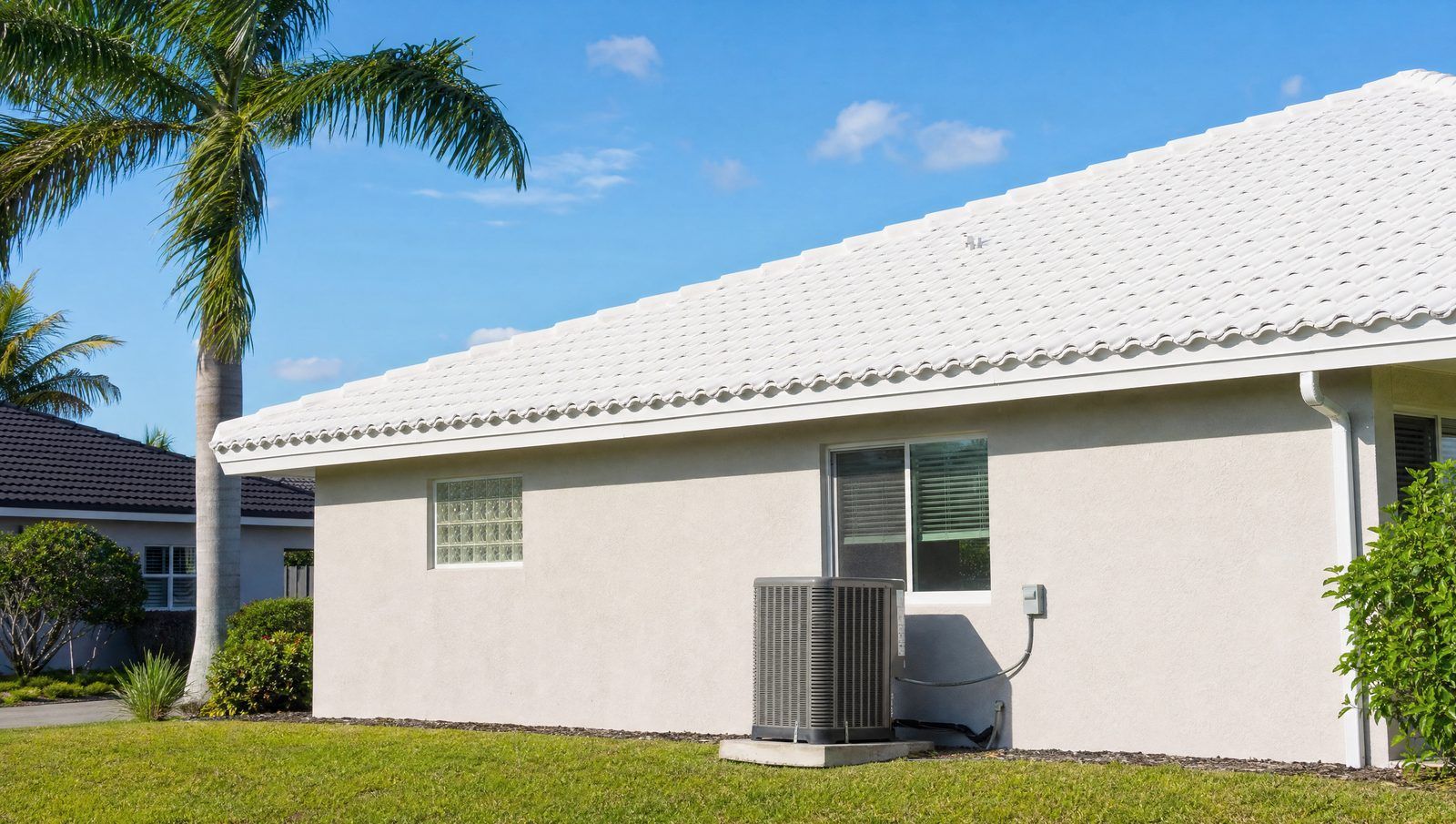
Light-colored and reflective roofs bounce a large share of the sun's energy back into the sky instead of soaking it up. White or light gray tile, reflective metal, and shingles rated for high solar reflectance can run dramatically cooler than a dark roof on the same street.
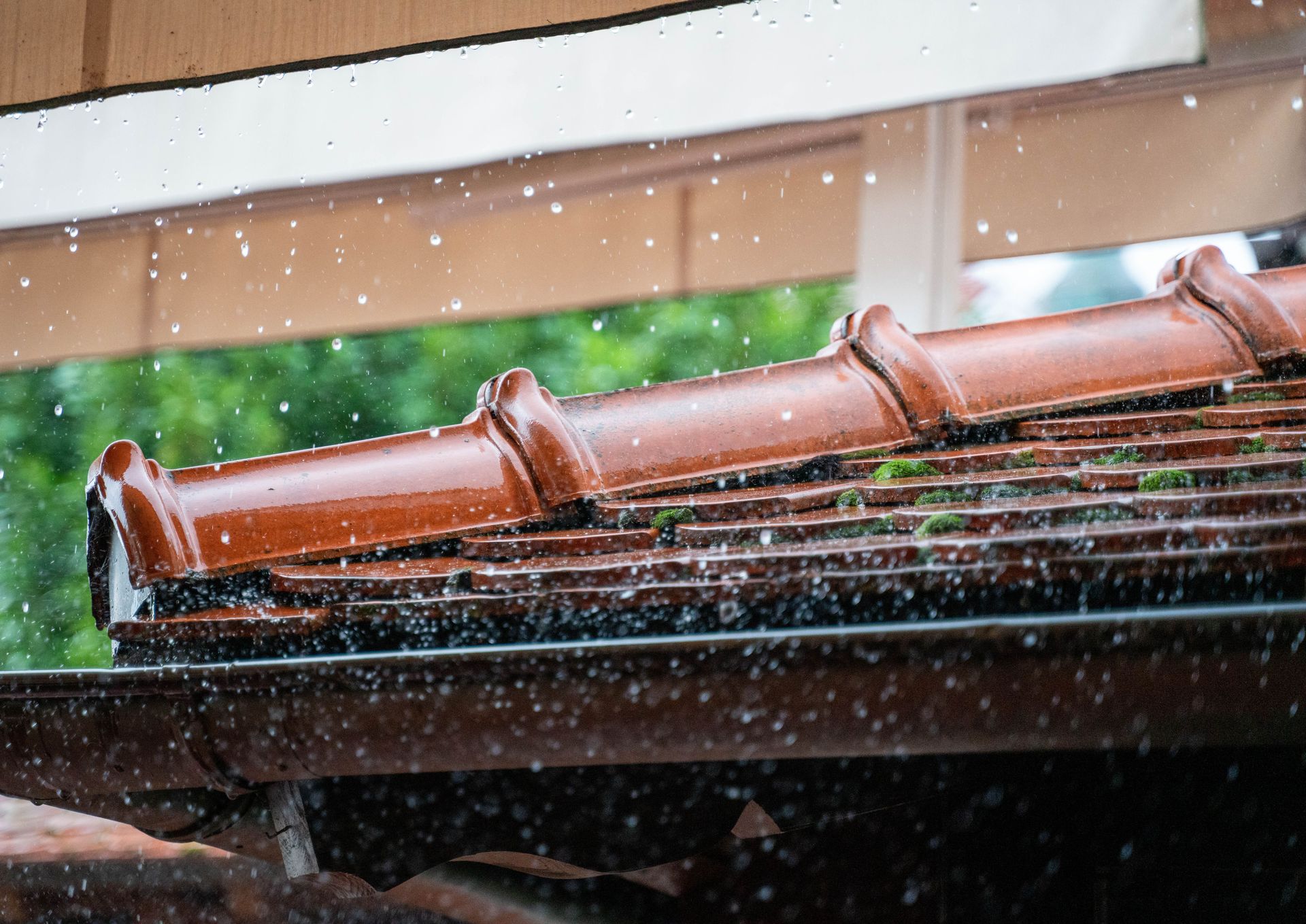
Material matters too. Concrete and clay tile sit on battens with an air gap underneath, which helps heat escape before it reaches the deck. Standing-seam metal with a reflective finish sheds heat quickly once the sun moves off it. Standard dark shingles sit flat on the deck and hold heat the longest.
If your roof is near the end of its life anyway, choosing a cooler color and material is one of the cheapest efficiency upgrades you'll ever make. You're paying for the new roof either way.
Hot Climates Everywhere Learn the Same Lesson
This isn't just a Florida problem. Anywhere the summers run long, hot and humid, the roof and the cooling system end up tied together. In Brisbane, Australia, where the climate is a lot like ours, air conditioning specialists such as AH Aircon deal with the same pattern we see here: a correctly sized system that still struggles because of what's happening overhead.
The advice is the same on both sides of the world. Before you blame the AC, or replace it with a bigger unit, look at how much heat your roof and attic are adding to the load. A system working against a 130-degree attic will never perform the way it should.
Attic Ventilation and Radiant Barriers
Even a reflective roof benefits from a well-ventilated attic. Soffit vents pull cooler air in low, and ridge or off-ridge vents let hot air escape at the top. When that airflow is blocked by insulation, paint or debris, the attic turns into an oven no matter what's on the roof.
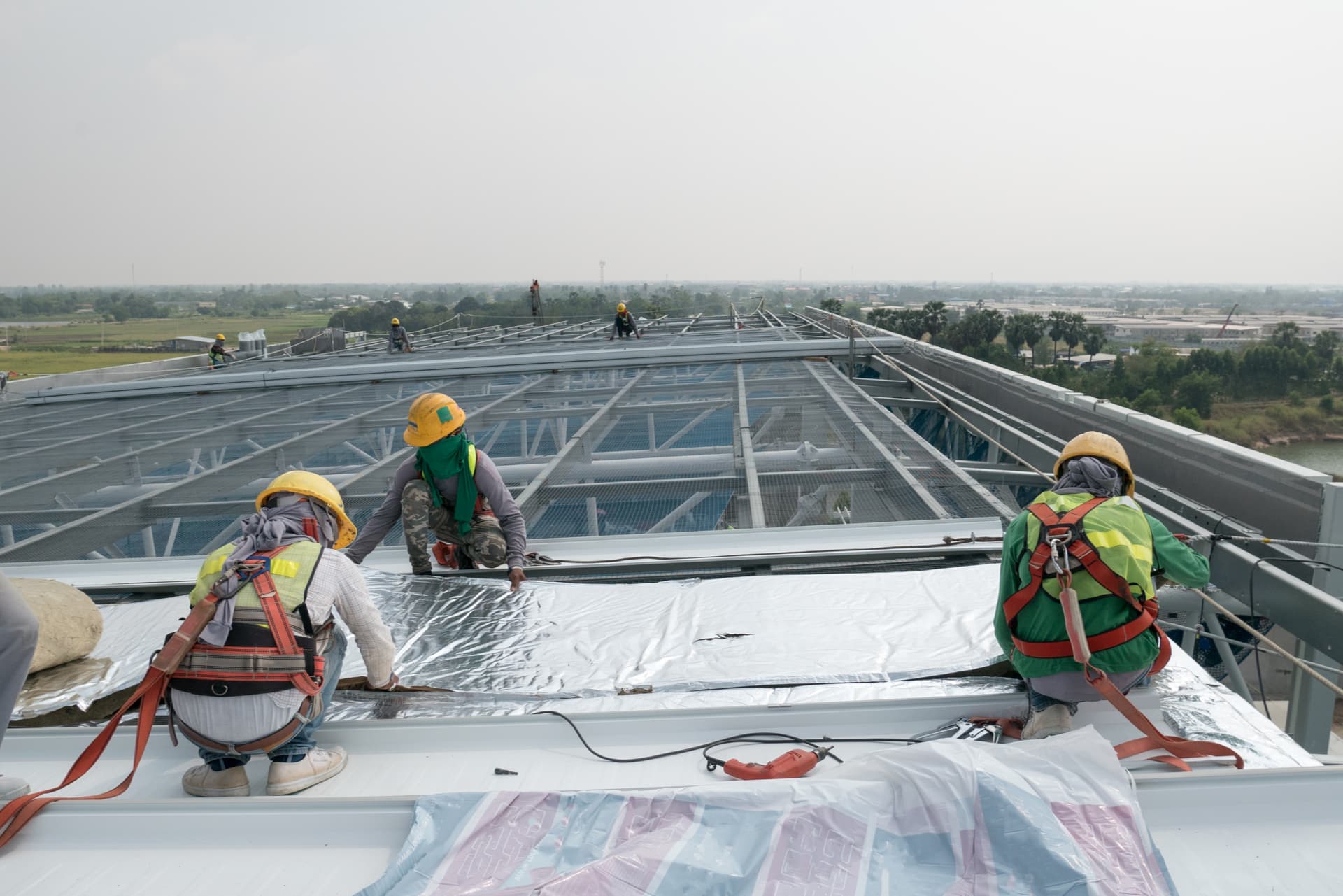
Radiant barriers are another tool worth asking about during a reroof. A reflective foil layer under the decking can cut the heat radiating into the attic by a meaningful amount. It's much easier and cheaper to install while the roof is open than to retrofit later.
Plan the Roof and the AC Together
If both your roof and your air conditioner are getting older, talk to both contractors before you replace either one. A cooler roof and a better-ventilated attic can reduce the cooling load enough that you don't need to upsize the AC, and sometimes you can step down.
At a minimum, have your roofer check attic ventilation, look for heat-trapping problems, and walk you through cooler material options. In a city where the AC runs most of the year, the roof over your head is part of your cooling system whether you planned it that way or not.