Two Homes, Two Climates: A Snowbird's Arrival Checklist for Fort Lauderdale
What to check on your Florida roof and home when you arrive for the season, and how to store for two climates

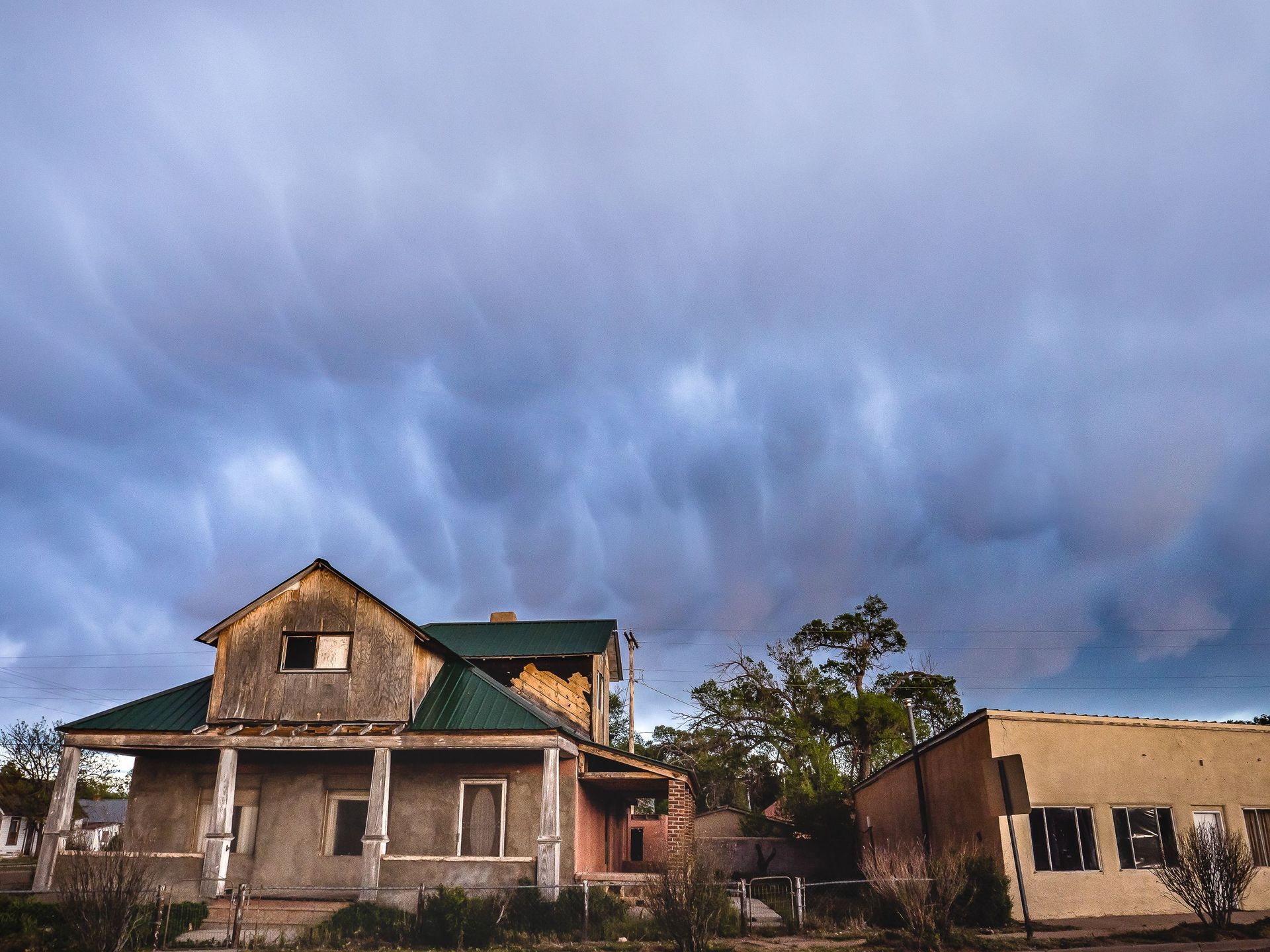
Every fall, a lot of Fort Lauderdale homeowners lock up a house somewhere else and head south for the season. Arizona is one of the most common second homes we hear about, and it makes sense: dry desert winters in one place, warm ocean breezes in the other.
But the two climates treat a house very differently. If your Florida home sat closed through a humid summer and a hurricane season, there are a few things worth checking in the first week back.
Start With a Look at the Roof
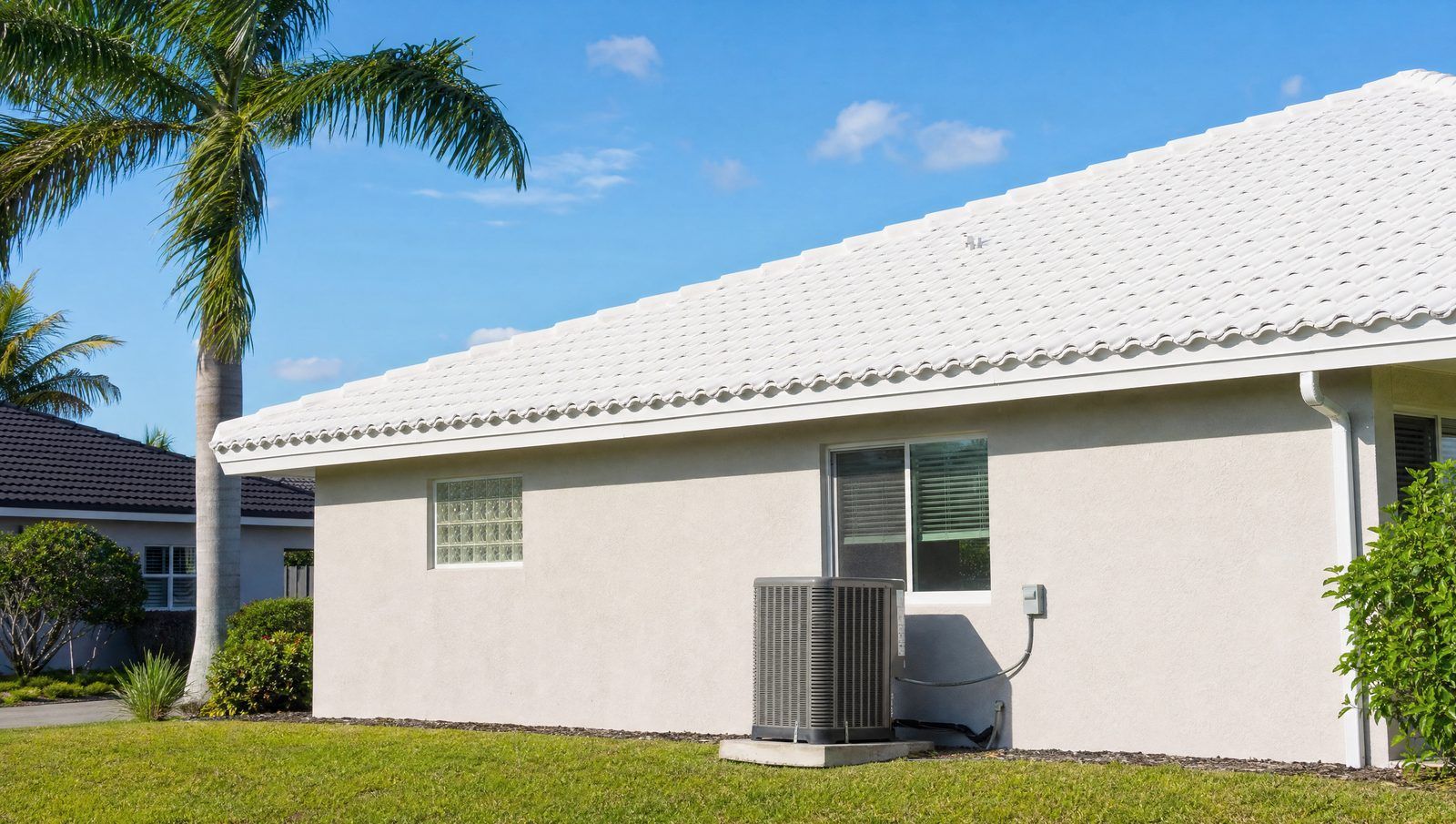
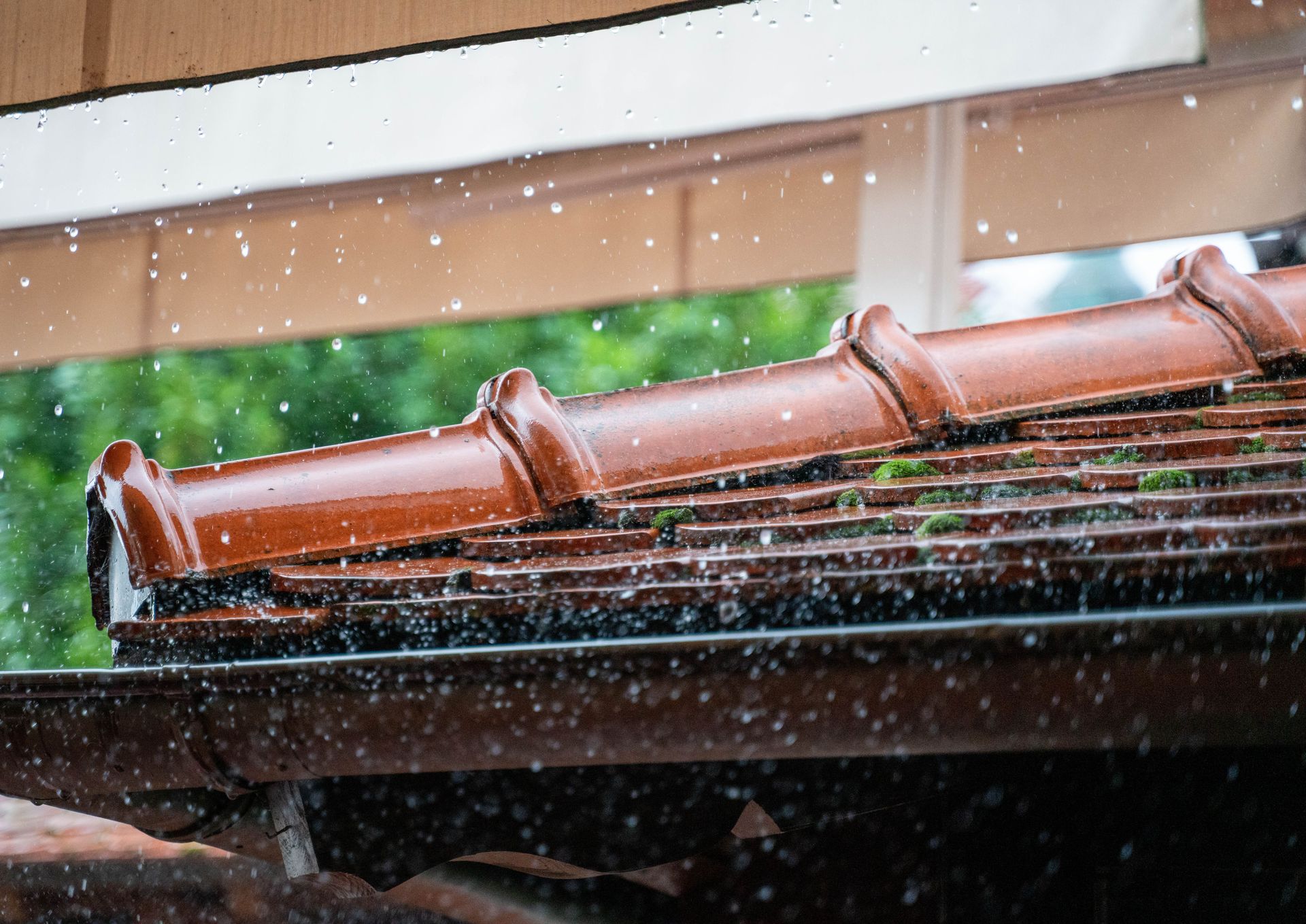
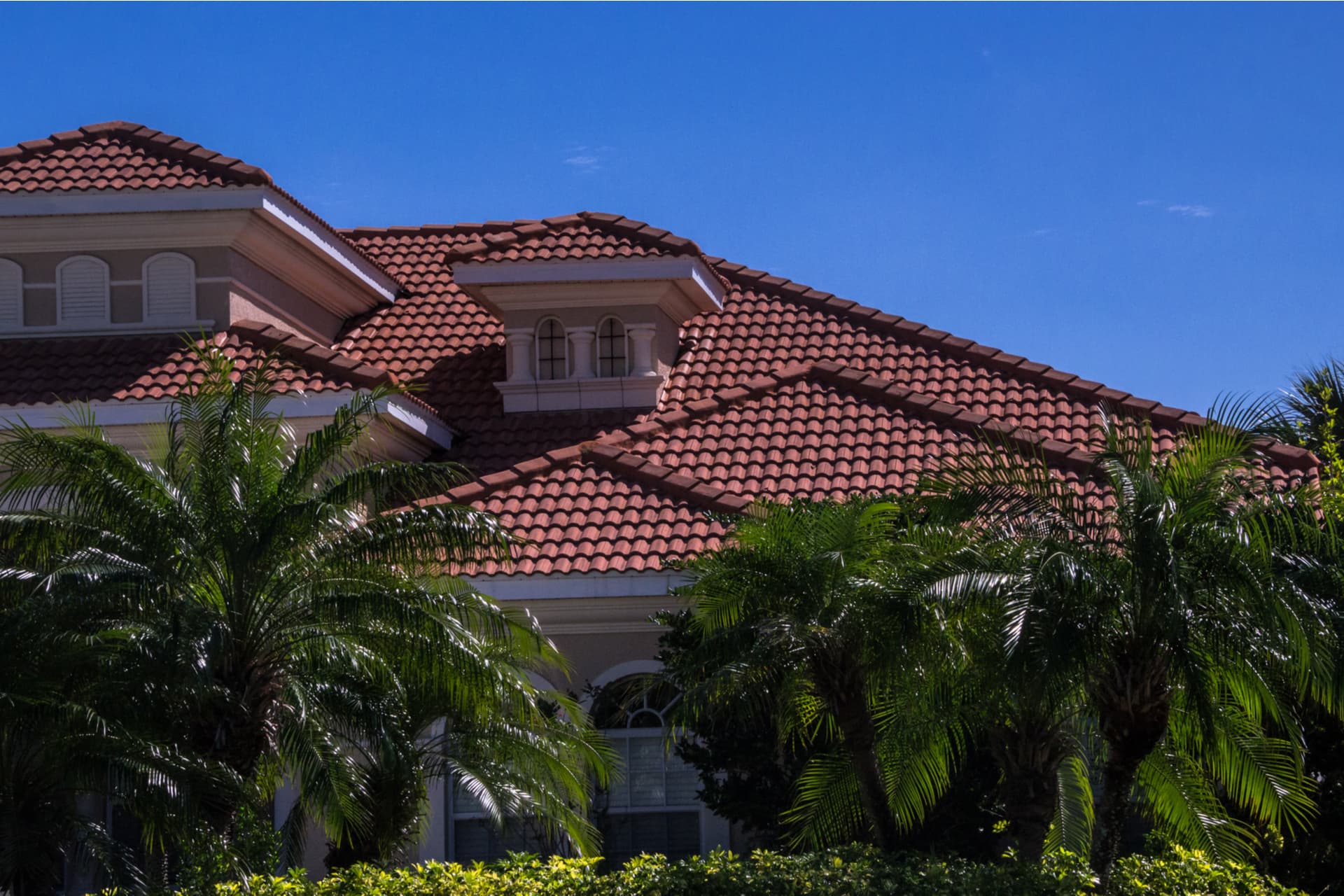
You don't need to climb a ladder to spot most problems. Walk around the house and look for cracked or slipped tiles, missing shingles, or debris piled in valleys and gutters. Summer storms can loosen a tile or two without anyone noticing while the house is empty.
Inside, check ceilings in every room, especially corners, around recessed lights, and near AC vents. A faint brown ring is often the first sign of a small leak. If you find one, call a roofer before the next heavy rain rather than waiting until spring.
Humidity Is the Real Enemy While You're Away
Arizona homes deal with heat and dust, but Florida homes deal with moisture. A house closed up for months in South Florida can develop musty closets, mildew on leather and stored clothing, and condensation in the attic if ventilation isn't working well.
A healthy roof and attic help a lot. Good soffit and ridge ventilation lets hot, damp air escape, and a properly sealed roof keeps rain from adding to the problem. Many seasonal residents also leave the AC running at a moderate setting or use a dehumidifier while they're gone.
Storage That Works in Both Houses
Owning two homes means owning two sets of closets, and they need to work differently. In the desert, the challenge is dust and sun fading, so closed cabinets and doors make sense. In Florida, you want airflow: ventilated shelving, breathable garment bags, and space between hangers.
Snowbirds who split time with the Phoenix area often have their Arizona closets designed around a full wardrobe, with the Florida house holding a lighter seasonal rotation. Companies that build custom closets in Paradise Valley and the surrounding area are used to clients who live in two places, and it's worth thinking about both houses together when you plan storage. Keep your heavy winter items out west and let the Florida closets breathe.
Check the AC, Windows, and Doors
Your roof isn't the only thing that worked hard while you were gone. Run the AC and listen for anything unusual, check the condensate line for clogs, and replace the filter on your first day back. A clogged drain line is one of the most common causes of water damage in seasonal homes.
Walk the windows and sliding doors too. Look for water marks on sills, swollen trim, or a musty smell near the floor, all signs that wind-driven rain found a gap during a summer storm.
Before You Leave Again in Spring
The best time to plan for next year is right before you head back. Schedule a roof inspection in late winter, while roofers aren't yet busy with storm season, and handle small repairs before June.
Clear gutters, trim back any branches touching the roof, and make sure someone local has a key and knows who to call if a storm comes through. A little preparation means you come back next fall to a dry house and a roof that's ready for another year.
If you're settling into your Fort Lauderdale home for the season and want a quick roof check, our team is happy to help.